Limited Shipment & Fleet Visibility
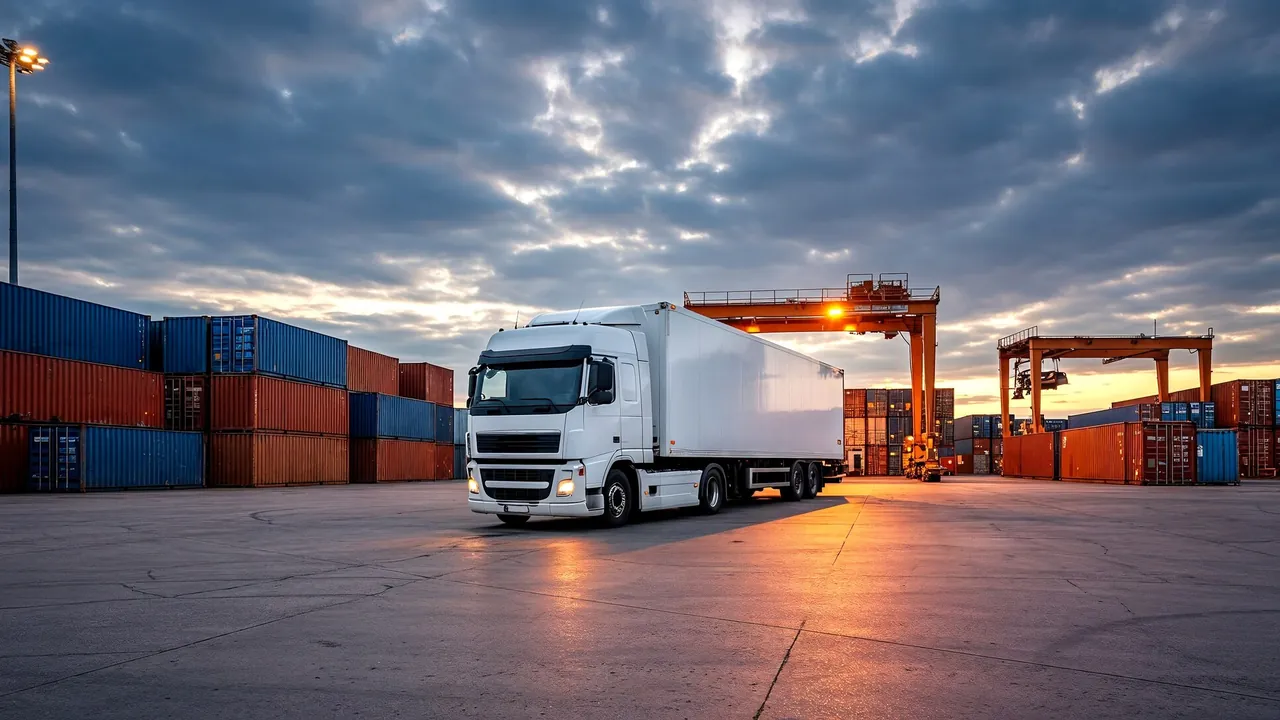
Without real-time tracking, businesses struggle to monitor shipments, manage fleets, and respond quickly to delivery disruptions.




Logistics & Supply Chain
WOLFx builds connected technology that unifies logistics operations, fleet visibility, warehouses, and supply chain workflows, helping businesses improve efficiency, accuracy, and delivery performance.
Discuss Your ChallengesIndustry Overview
7.97%
India’s logistics cost as a share of GDP · FY2023 to FY2024
Source: DPIIT and NCAER
The logistics and supply chain industry is evolving rapidly as customer expectations, global trade, and fulfilment demands continue to increase. Businesses must coordinate warehouses, transportation, inventory, suppliers, and last-mile delivery while maintaining speed, accuracy, and complete operational visibility.
Many logistics organisations still operate with disconnected systems, manual processes, and fragmented data, making it difficult to track shipments, optimise routes, manage inventory, and respond quickly to operational disruptions. As supply chains become more complex, connected technology is becoming essential for maintaining efficiency and competitiveness.
The organisations leading this transformation are investing in integrated digital ecosystems that connect fleet management, warehouse operations, transportation, inventory, procurement, and real-time analytics. AI-powered planning, IoT-enabled tracking, workflow automation, and predictive insights are helping logistics businesses improve delivery performance, reduce costs, increase visibility, and make faster operational decisions.
The future of logistics belongs to organisations that connect every shipment, warehouse, vehicle, and operational process through a single intelligent technology platform, creating more resilient supply chains, smarter operations, and sustainable growth.
Without real-time tracking, businesses struggle to monitor shipments, manage fleets, and respond quickly to delivery disruptions.
Planning routes, assigning drivers, and managing deliveries manually slows operations and increases costs as shipment volumes grow.
Outdated reporting and fragmented data make it difficult to track delivery performance, meet SLAs, and provide customers with accurate, real-time updates.
What We Believe
Every logistics business operates differently. Your technology should reflect your freight network, fleet operations, warehouse workflows, and customer commitments, not force your teams into a standard TMS. WOLFx builds connected platforms that improve visibility, automate operations, and help your business scale with confidence.
Capabilities
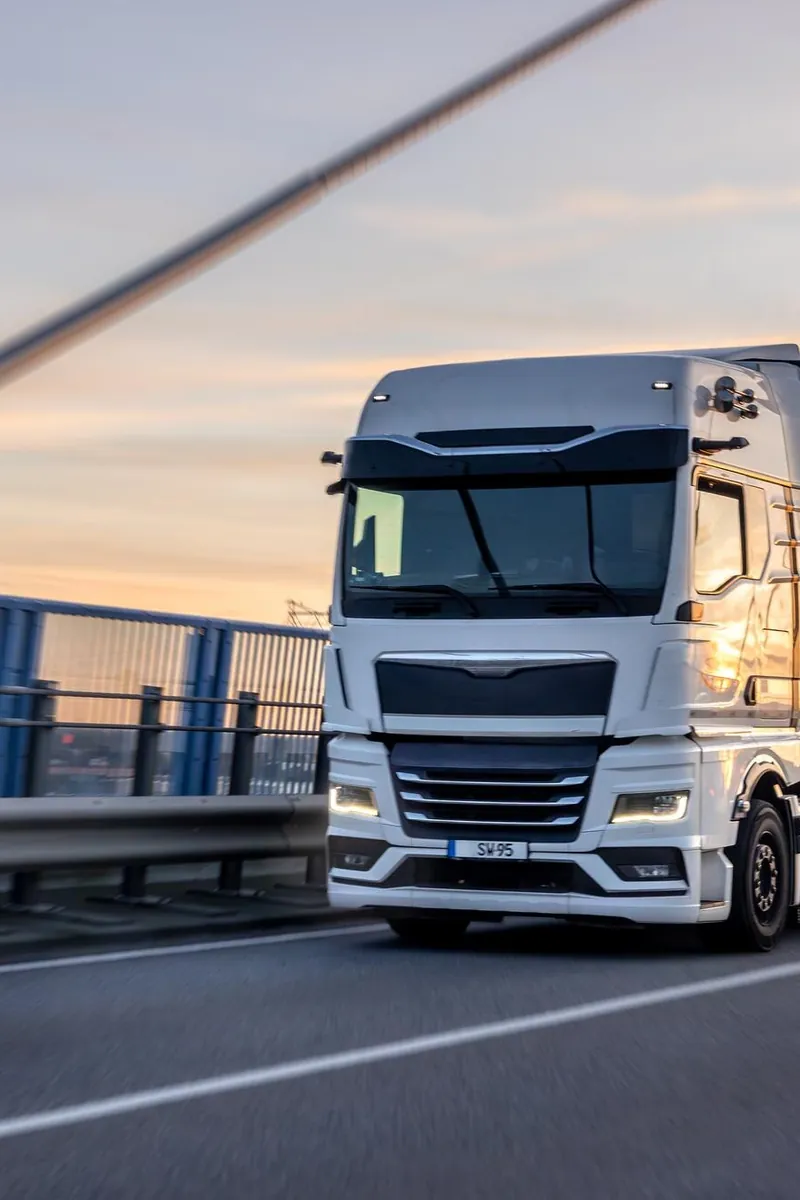
Order intake, load planning, dispatch and route planning for your own fleet and partners.
GPS and driver app data showing every vehicle and shipment on one map, with alerts for delays.
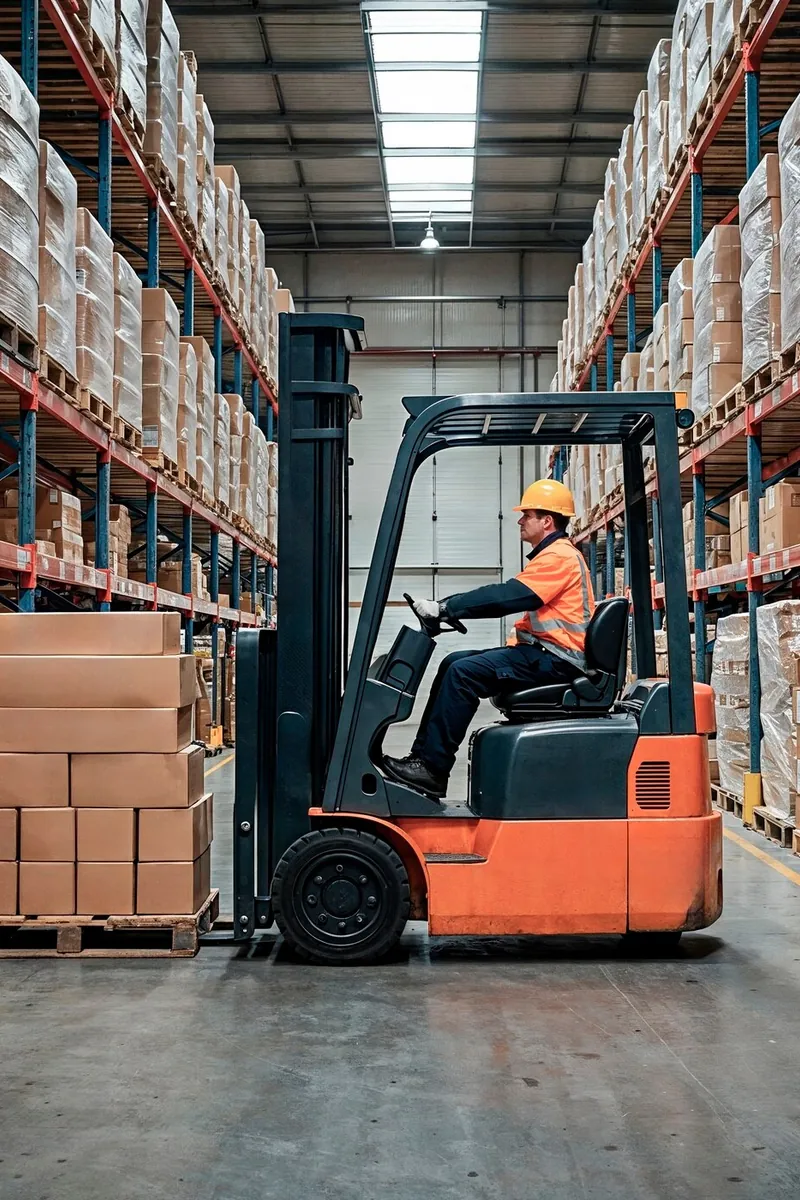
Receiving, put-away, picking, packing and stock counts across warehouses.

Driver apps for photos, signatures and OTPs, with tracking updates sent to customers automatically.
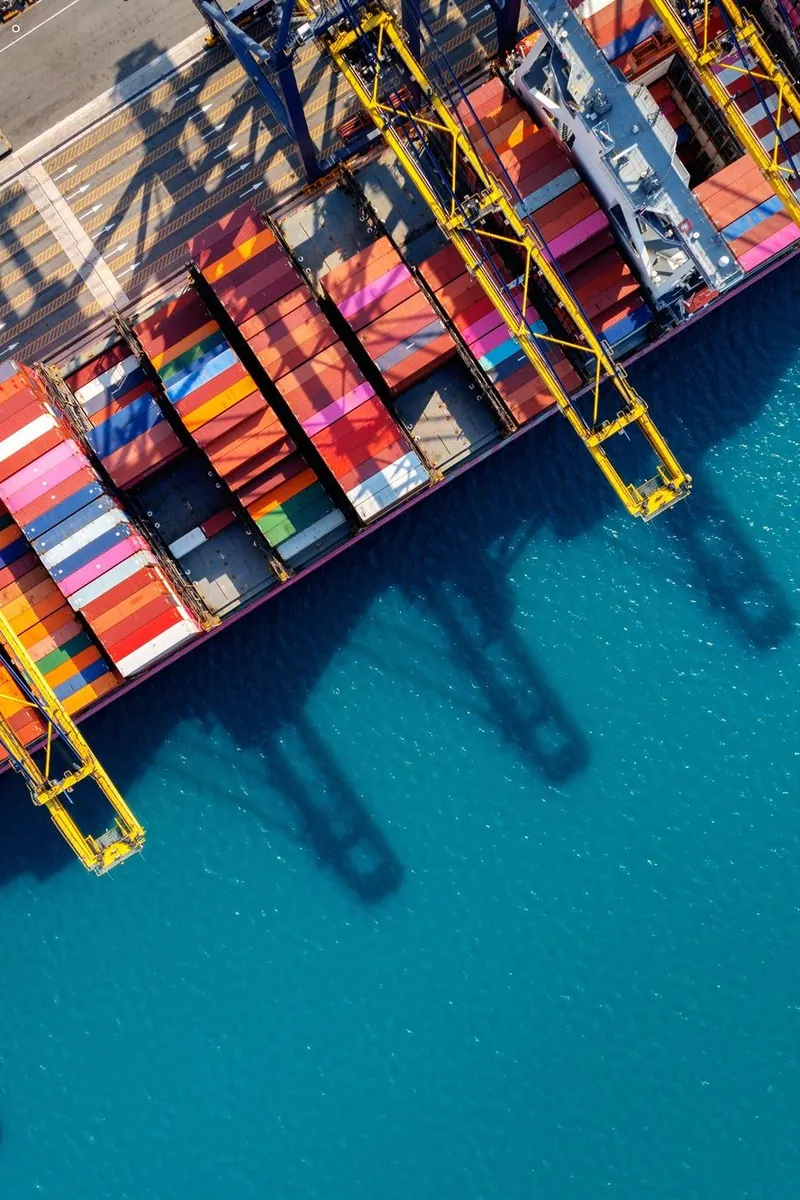
Freight billing, partner payouts and reconciliation tied to completed trips.
The Future of Logistics
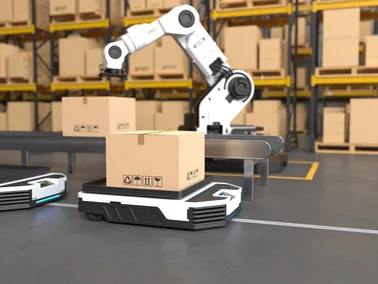
The future of logistics will be defined by connected, intelligent, and highly responsive supply chains. As customer expectations for faster deliveries and real-time visibility continue to grow, logistics businesses must move beyond disconnected systems and manual coordination. Connected fleets, AI-powered route optimisation, warehouse automation, IoT-enabled tracking, predictive analytics, and real-time operational insights are becoming essential for improving efficiency and reducing costs. The organisations leading this transformation are investing in digital ecosystems that connect transportation, warehousing, fulfilment, and customer operations into a single platform. By unifying data and automating workflows, logistics companies can improve delivery performance, strengthen customer relationships, respond faster to disruptions, and build resilient supply chains ready for the future.


How we work
Three stages. No proposals before discovery. No architecture before understanding. No delivery without a defined partnership model for what comes after.
Discuss Your ChallengesWe analyse your logistics network, operational workflows, fleet movement, and fulfilment processes before recommending any technology.
We build technology around your freight model, warehouse operations, client commitments, and business workflows, not generic logistics software.
We build and launch your platform, then continue supporting its evolution as your logistics network, customer requirements, and operations grow.
Why WOLFx
Deep understanding of first-mile, linehaul, warehousing, and last-mile operations to design technology around real logistics workflows.
Platforms built to handle high-volume transactions, live fleet tracking, operational events, and real-time decision-making.
Seamless integration with GPS, telematics, ERP, e-way bill, invoicing, and third-party logistics platforms.
Technology that captures operational data in real time, enabling accurate SLA tracking, customer reporting, and performance analytics.
By connecting fleet tracking, warehouse, order and partner data into one view, so you can see where each shipment is and what is about to go wrong.
Yes. Hubs, routes, vehicles and partners are designed into the system so it can grow with your network without a rebuild.
Order intake, dispatch and route planning, proof of delivery, warehouse operations, billing and partner settlements, and the reporting across them.
Customers get accurate tracking, delivery updates and faster answers to queries, because your teams and systems work from the same live data.
Start With a Conversation
We explore your workflows, systems, and goals before recommending any solution.
Book a Discovery Call